
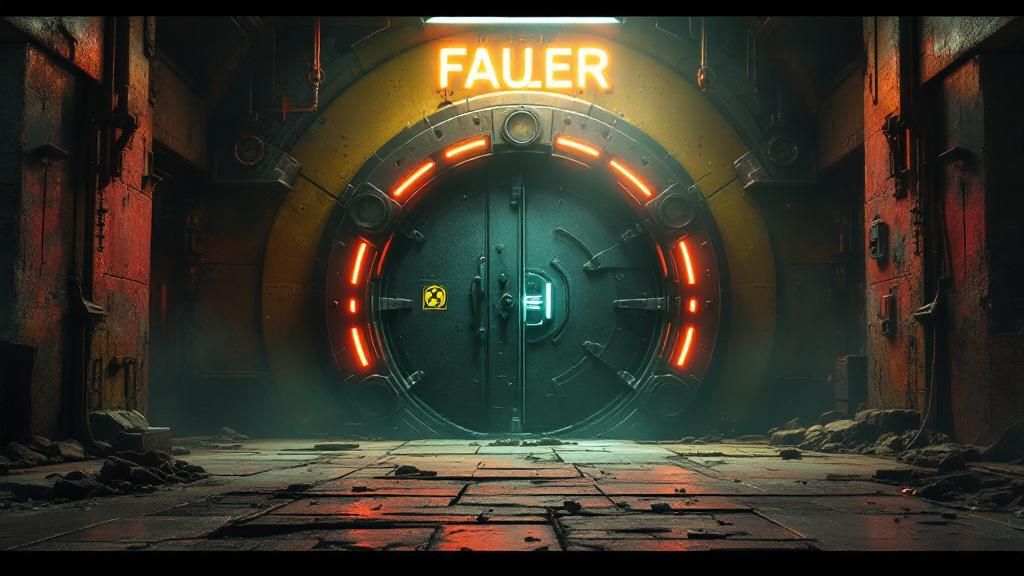
Amazon’s Fallout TV series has broken streaming records, accumulating 100 million global viewers across both seasons of the Prime Video show. The second season alone has attracted 83 million viewers since its release, whilst the first season reached 65 million when it initially launched. The total viewing numbers establish Fallout as one of Amazon MGM Studios’ most successful television properties to date, exceeding even the company’s previous flagship series The Rings of Power. Notably, these audience figures are based on the number of people who pressed play rather than those who completed entire episodes, though the figures still constitute a notable accomplishment for the video game-to-TV adaptation.
A Streaming Sensation Across Both Seasons
The second season’s release has proven crucial to revitalising enthusiasm in the whole franchise, creating a considerable halo effect that elevated the first season’s viewership to the 100-million viewer milestone. Peter Friedlander, director of global television at Amazon MGM Studios, expressed enthusiasm about the show’s path, stating that Fallout now ranks amongst the company’s top-performing seasons ever launched. The ongoing success demonstrates the franchise’s capacity to sustaining audience engagement across multiple releases, a feat uncommonly reached in the competitive streaming landscape where viewer retention typically drops significantly between seasons.
Looking ahead, Amazon has already greenlit a third season, with production set to begin this summer. The expansion promises to explore new territory within the Fallout universe, unveiling settings previously unseen in the video game series. This calculated move signals the studio’s confidence in the property’s long-term commercial viability and creative potential. As the franchise continues to grow, industry observers anticipate that season three could potentially eclipse the viewership figures of its predecessors, cementing Fallout’s status as a defining success story in gaming adaptations.
- Second season achieved 83 million viewers globally on Prime Video
- First season gained from halo effect, reaching 100 million combined
- Fallout counts among Amazon’s top four biggest seasons launched
- Season three production commences summer with entirely new locations
The Second Season’s Unexpected Success
The second season of Fallout has contradicted the conventional wisdom that audience enthusiasm typically diminishes between instalments of streaming series. With 83 million viewers logging on globally, the season has demonstrated impressive staying power in an saturated marketplace. This performance is particularly noteworthy given the notoriously unpredictable behaviour of streaming audiences, where viewer fatigue and rival content offerings frequently weaken sequel performance. The show’s ability to maintain such considerable viewer numbers suggests that the adaptation has successfully captured something fundamental about the Fallout universe that resonates with both dedicated gaming fans and newcomers alike.
What makes season two’s success even more striking is that it has successfully reignited interest in the entire franchise, creating a knock-on effect that boosted the first season’s numbers to the milestone of 100 million views. This symbiotic relationship between seasons is quite rare in the streaming era, where each instalment typically rises or falls on its individual strengths. The phenomenon underscores the standard and consistency of the Fallout adaptation, indicating that audiences have developed genuine investment in the plots and personalities rather than simply trying the content out of idle interest.
Audience Engagement and Performance Metrics
It is important to note that Amazon’s audience measurements are determined by the count of individuals who started watching content, rather than those who viewed entire episodes or watched full seasons. This methodology, although industry-standard, means that the 83 million figure encompasses audiences that could have watched only minutes of the content. Nevertheless, the substantial magnitude of this figure—representing a substantial portion of Prime Video’s international audience—indicates authentic engagement instead of chance interaction.
Despite the methodological caveat, the viewership figures remain remarkably significant for a gaming adaptation. The fact that millions upon millions of viewers chose to press play on Fallout’s second season, even if not all finished it, demonstrates the show’s substantial cultural penetration and appeal. This viewer engagement provides Amazon with valuable data about audience interest for the franchise, justifying the studio’s continued investment in future seasons and expansions within the Fallout universe.
What This Data Mean to Prime Video
For Amazon MGM Studios, the Fallout phenomenon represents a substantial affirmation of its commitment to substantial investment in prestige gaming adaptations. In an increasingly competitive streaming landscape where original content is critical, securing a show that attracts 100 million viewers throughout two seasons places Prime Video as a genuine competitor in the entertainment marketplace. Peter Friedlander’s comments emphasise Amazon’s faith in the series, with the studio having approved a third season for shooting this summer. The achievement of Fallout demonstrates that video game properties, when managed with care and artistic integrity, can translate into popular entertainment that reaches well beyond the core gaming demographic.
The ripple effect whereby season two’s success elevated season one’s viewership to 100 million is particularly instructive for streaming services. It suggests that quality storytelling creates forward movement that benefits the whole franchise landscape, inspiring watchers to explore earlier content and remain invested in forthcoming content. This virtuous cycle is just what Amazon must justify its significant investment in production and maintain subscriber engagement. With season three currently being developed and intentions to explore new locations unexplored in the games themselves, Prime Video appears dedicated to expanding the Fallout universe in ways that will maintain fascination with audiences worldwide.
| Season | Viewer Count |
|---|---|
| Season One | 100 million |
| Season Two | 83 million |
| Combined Initial Launch | 65 million (season one only) |
- Fallout stands as one of Prime Video’s largest four seasons ever launched worldwide.
- Season three production starts over the summer months with previously unseen gaming locations showcased.
- Gaming adaptations establish themselves as popular entertainment with strong creative vision.
The Road Ahead for the Operation
With season two’s impressive performance now firmly established, Amazon MGM Studios faces the welcome opportunity of sustaining success whilst expanding artistic horizons. The franchise’s path suggests that audiences are authentically interested in the futuristic landscape and its cast, rather than merely sampling the material out of curiosity. This continued enthusiasm provides the studio with considerable latitude to develop storylines and venture into new directions. The choice to enter unexplored settings from the game world indicates that the creative group understands the hunger for new experiences amongst fans. As production ramps up, the need to create something just as engaging—if not greater in impact—than the earlier instalments will be significant, yet the current fan community appears ready to welcome whatever comes next.
The strong performance of Fallout also places the franchise as a potential flagship property for Amazon’s wider video game adaptation approach. Unlike some previous attempts to translate interactive entertainment into traditional narrative formats, this series has demonstrated that honouring the source material, combined with compelling scripts and acting, can produce major successes. The franchise’s ability to attract both dedicated gaming enthusiasts and casual viewers unfamiliar with the Fallout universe suggests a wide-ranging attractiveness that crosses conventional audience divides. This crossover potential makes season three not just another TV season, but a critical examination of whether Amazon can sustain excellence in an increasingly crowded marketplace of prestige television.
Season Three and What Comes Next
Production beginning this summer means that viewers can probably anticipate the next instalment within the next 18-24 months, assuming a equivalent timeframe to previous seasons. The prospect of venturing into new territories within the Fallout canon provides intriguing potential for story development. By stepping outside locations already present in the games, the show can develop its unique character whilst maintaining the thematic and aesthetic consistency that fans have come to appreciate. This approach allows the writers to astonish even devoted players of the Fallout franchise, creating genuine uncertainty about where the story might progress and what dangers or discoveries await the characters.
Looking further ahead, Amazon’s commitment to season three demonstrates confidence in the franchise’s future prospects. Should the third season maintain or exceed the viewership figures of its predecessors, the door opens for numerous further seasons and potentially derivative projects delving into different aspects of the Fallout universe. The franchise’s capacity to sustain viewer interest across multiple seasons will ultimately decide whether Fallout becomes a landmark programme for Prime Video or merely a brief phenomenon. Early indicators, however, indicate that the former scenario is substantially more plausible.
